
Tristin Riddle's net worth is estimated at somewhere between $50,000 and $200,000 as of April 2026, with the most realistic midpoint sitting around $100,000 to $150,000. That range is built almost entirely on creator economy income: YouTube ad revenue, brand sponsorships, coaching services, and platform fees like Cameo. There are no known film deals, major corporate salaries, or publicly disclosed investments to anchor the number more precisely, which is typical for mid-tier YouTube creators in the fitness and wellness space.
Tristin Riddle Net Worth: Estimated Creator Earnings and How to Verify

Marcus Rothschild
18 Apr 2026
Who Tristin Riddle is and what wealth estimates actually mean here
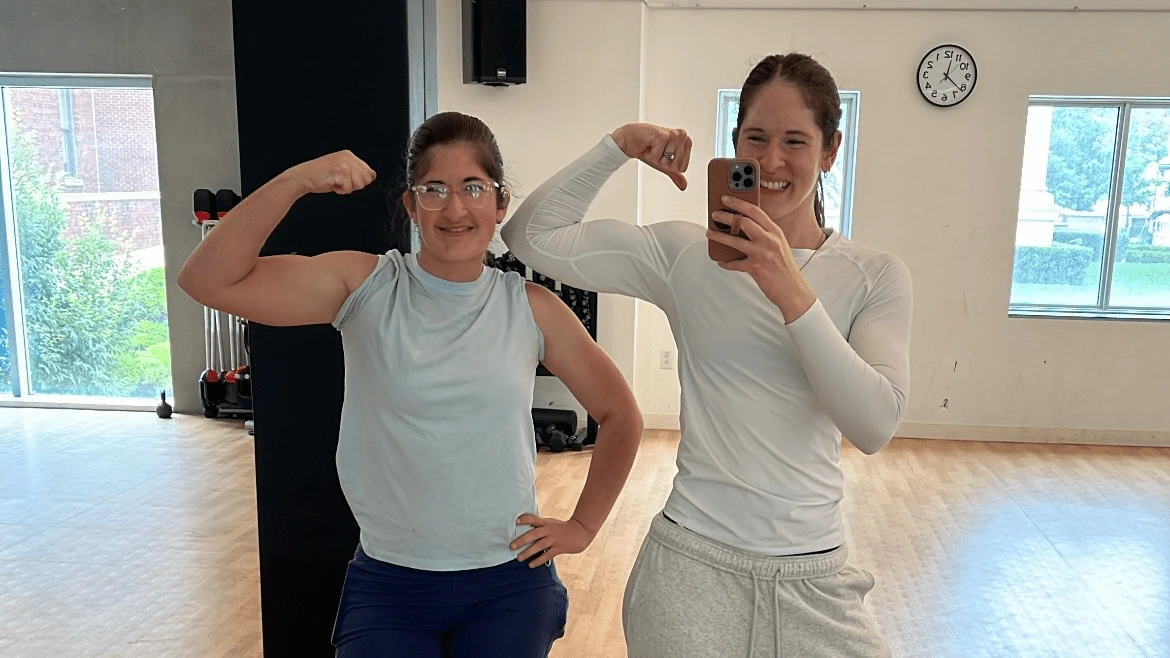
Tristin Riddle is a U.S.-based YouTube creator, fitness trainer, and nutrition and mindset coach. Her YouTube channel (@tristinriddle101) has been active since April 4, 2010, making it a well-established channel rather than an overnight success story. As of early 2026, third-party analytics sources consistently place her subscriber count between 243,000 and 256,000, with total lifetime video views in the range of 7.2 to 8.2 million across 46 to 56 uploaded videos. She also maintains a Cameo profile, joined in September 2024, listing her as a fitness trainer and nutrition and mindset coach, offering personalized video messages starting at $50.
When we talk about her net worth, we're really talking about accumulated creator earnings minus living costs and business expenses, not a celebrity fortune built on studio contracts or endorsement empires. That's an important distinction. A "net worth" figure for a YouTube creator is inherently less stable and harder to verify than, say, a professional athlete's disclosed contract. It can shift significantly year to year based on algorithm changes, sponsorship volume, and how actively the creator is posting.
How net worth estimates are built (and why they're always ranges)
Net worth is simply assets minus liabilities. For a creator like Tristin Riddle, assets include cash savings, any owned real estate, equipment, intellectual property (her video library), and brand equity. Liabilities include any outstanding loans, credit, or business debts. The problem is that almost none of this is publicly disclosed for creators at her level. What we can estimate are her income streams, and from those we can make educated guesses about what she might have accumulated over time.
Tools like Social Blade are commonly used as starting points, but it's worth knowing their limitations. Social Blade's estimated earnings are calculated using a broad RPM (revenue per thousand views) range of $0.25 to $4.00 USD, and the platform itself is transparent that these are estimates, not actual payouts. The real RPM for any channel depends on audience demographics, niche, video length, advertiser demand in that category, and time of year. Fitness and wellness channels often command RPMs on the higher end of that range, typically $2 to $4, because advertisers in health supplements, apparel, and coaching services pay well for that audience.
It's also worth noting that a simple YouTube search or Social Blade lookup can produce misleading results if you're not careful about channel handles. A Social Blade search for "Tristin" returned a different channel (handle: @tristen) with only 2,100 subscribers and 464,000 views, which is a completely separate account. Always confirm you're looking at @tristinriddle101 to get accurate data for Tristin Riddle specifically.
Breaking down her YouTube income
YouTube ad revenue is the baseline for any monetized channel. Based on the view data available, Tristin Riddle's channel has pulled in recent rolling averages of roughly 87,780 views in the last 7 days, 376,200 in the last 30 days, and about 1,128,600 in the last 90 days. Annualizing the 30-day figure gives approximately 4.5 million views per year. At a conservative RPM of $2 (realistic for a U.S.-based fitness creator), that would translate to around $9,000 in annual YouTube ad revenue. At a higher RPM of $4, that climbs to roughly $18,000 per year. These are not life-changing sums on their own, but they represent a consistent baseline income.
With 256,000 subscribers, she's well past the YouTube Partner Program threshold (1,000 subscribers and 4,000 watch hours), meaning her channel has been monetized for years. Her total lifetime views of 7 to 8 million, accumulated since 2010, suggest that ad revenue has been a long-term contributor to her finances even if the per-year amounts are modest. It's also worth remembering that early video libraries continue generating passive ad income as long as they remain up and in good standing with YouTube's monetization policies.
| Metric | Low Estimate | High Estimate |
|---|---|---|
| Annual views (annualized from 30-day data) | 4.5M | 4.5M |
| RPM range (fitness/wellness niche, U.S.) | $2.00 | $4.00 |
| Annual YouTube ad revenue estimate | $9,000 | $18,000 |
| Sponsorship/brand deal revenue (estimated) | $10,000 | $50,000 |
| Cameo/coaching/other platform income | $2,000 | $15,000 |
| Total estimated annual income | $21,000 | $83,000 |
Other income sources beyond ad revenue
For creators in the fitness and wellness space, YouTube ad revenue is rarely the biggest income driver. Brand sponsorships and deals with supplement companies, fitness apparel brands, app subscriptions, and health tech products are often worth two to five times a creator's ad revenue alone. A creator with 250,000 engaged subscribers in the U.S. fitness niche can realistically command $1,000 to $5,000 per dedicated sponsorship video, and even mid-roll integrations in regular content can add $500 to $2,000 per placement. If Tristin Riddle is running even a handful of these per year, that's meaningful additional income.
Her Cameo presence, which she joined in September 2024, adds another layer. At a listed price of $50 or more per personalized video, even a modest volume of requests (say, 10 to 30 per month) could generate $500 to $1,500 monthly, or $6,000 to $18,000 annually. This is a relatively new income stream for her, so it likely hasn't had a major impact on lifetime wealth accumulation yet, but it signals active diversification.
Affiliate marketing is another common income layer for fitness creators: linking to protein powders, gym equipment, or meal delivery services through Amazon Associates or dedicated affiliate programs can generate passive commission income of anywhere from a few hundred to several thousand dollars per month depending on traffic and conversion rates. Merchandise (branded apparel, planners, or digital downloads) and paid coaching programs or online courses are also standard for creators at her tier, though there's no publicly available data confirming whether these exist for Tristin Riddle specifically.
For context on how other R-named personalities in similar spaces build their income, it's useful to compare against Matt Riddle's financial profile, which shows how sports and entertainment crossover figures diversify beyond a single income stream. Similarly, understanding Paul Riddle's career earnings trajectory illustrates how different fields produce very different wealth-building patterns over time.
Career timeline and financial milestones
Tristin Riddle's YouTube channel dates back to April 2010, which makes it one of the longer-running creator presences in the fitness space. Early YouTube channels from that era grew during a period before algorithm saturation, meaning she likely built a loyal core audience before competition intensified. The channel's 250,000+ subscriber count, accumulated over roughly 15 years with only 46 to 56 videos, suggests a deliberate and selective content strategy rather than a high-volume upload approach.
Her Cameo onboarding in September 2024 is a notable milestone, as it suggests she had enough recognizable public presence to warrant joining a platform that vets applicants based on audience size and engagement. This is consistent with a creator who has been steadily building credibility as a fitness and mindset coach rather than chasing viral moments. The combination of a long-standing YouTube presence and coaching identity points to a career that prioritizes audience trust over raw view counts, which is actually a financially stable model in the creator economy.
Comparing this trajectory to other individuals tracked in the Riddle surname category is instructive. Samuel Riddle's financial history shows how long-term engagement in a single field can compound wealth gradually, while John Blake Riddle's career and net worth story illustrates how different professional timelines can lead to similar wealth ranges. For music industry comparison, Nelson Riddle's estimated net worth and Nelson Skip Riddle's financial profile show how creative careers in completely different eras can still follow recognizable income-accumulation patterns.
Best current estimate and how to verify it yourself
The most defensible estimate for Tristin Riddle's net worth as of April 2026 is in the range of $100,000 to $150,000, with a floor closer to $50,000 if her non-YouTube income streams have been minimal, and a ceiling approaching $200,000 if she has run consistent sponsorships and coaching revenue over the past several years. This estimate reflects approximately 15 years of creator earnings at a modest but steady rate, minus typical living and business expenses, without assuming any major asset accumulation events like real estate or investment income.
To put this in perspective alongside other R-named personalities in adjacent entertainment categories, Nelson Rangell's estimated net worth provides a useful comparison for a long-career specialist whose income comes from consistent professional output rather than blockbuster moments.
How to check and update this estimate today

- Go to Social Blade and search for the exact handle @tristinriddle101 (not just "tristin riddle" or "tristen") to pull current subscriber counts, view velocity, and their estimated monthly earnings range. Adjust their RPM slider toward $2 to $4 for a fitness/wellness niche in the U.S. for a more realistic output.
- Check youtubers.me or a similar third-party analytics aggregator for rolling view data (7-day, 30-day, 90-day windows) to see if view velocity has increased or dropped compared to the figures cited here.
- Look at her most recent YouTube videos and read the descriptions and pinned comments for active sponsorship disclosures. In the U.S., FTC-required disclosures like "#ad" or "sponsored by" will appear if a brand deal is active.
- Check her Cameo profile to see if she's still listed as active and whether her pricing has changed from the $50+ baseline noted in late 2024.
- Search for recent podcast appearances, interviews, or press mentions where she may have discussed her business model or coaching programs, as creators often disclose income context in audio/video interviews even when they don't publish formal income reports.
- If she has a personal website or Linktree, look for links to paid courses, coaching programs, or merchandise stores, as these are the clearest signals of additional revenue streams beyond YouTube ads.
One important caveat: no public financial filings, tax disclosures, or interviews confirming specific income figures have been identified for Tristin Riddle as of this writing. Every number in this article is estimated from publicly observable signals (view counts, subscriber data, industry RPM benchmarks, and platform pricing), not from disclosed financial records. That's standard for creators at this level of public profile, and it's why presenting a range rather than a single figure is the only honest approach.
People also search for the Nelson Skip riddle net worth angle, but public figures typically only offer partial clues. This matches the blank" rel="noopener noreferrer">FTC’s Endorsement Guides principle that disclosures in paid endorsements or sponsored content must be clear and not misleading disclosures must be clear and not misleading.
FAQ
Why can’t her net worth be pinned down to a single number?
Because creators at her level usually do not publish balance sheets (assets, debts, cash flow). A better approach is to model annual income from visible signals, then apply a realistic savings rate and account for taxes, business costs, and payment timing (sponsorships and coaching can be lumpy).
How accurate are Social Blade estimates for Tristin Riddle’s earnings?
Social Blade uses broad RPM assumptions, so it can drift significantly if her audience location mix, video topics, or seasonal ad demand differs from the model. Treat it as a rough ceiling/floor check, then reconcile with more specific inputs like her average view velocity and typical sponsorship frequency.
What RPM should I use if I want to estimate YouTube earnings more realistically?
Rather than using a single number, use a range by format: shorter evergreen videos often monetize differently than longer coaching-style content. If her audience is strongly US-based and the content attracts advertisers like supplements or fitness apps, a higher RPM is plausible, but it should still be tested against what she earns per month, not just per thousand views.
How do platform changes and monetization policies affect her net worth over time?
RPM and monetization eligibility can change due to YouTube ad policies, limited ads, demonetization risk, and algorithm shifts that change viewer demographics. Even if total views rise, a higher share of “limited ads” videos or lower ad-friendliness can reduce actual earnings for periods.
Do sponsorship and coaching earnings make YouTube ad revenue look irrelevant?
They can. For many fitness creators, one sponsored integration can equal multiple months of ad revenue. However, sponsorship income depends on deliverables, whether posts are one-time or recurring, and how consistently she produces sponsor-ready content (which her lower video volume can make more valuable per placement).
How should I estimate Cameo income if her request volume varies?
Use scenarios, not a single monthly average. For example, if she gets 10, 20, or 30 requests per month at a $50 starting price, revenue changes substantially, and the actual realized average price is often higher or lower depending on how often buyers upgrade requests.
Why might her Cameo earnings not show up in net worth for the first year?
Because even if Cameo started in September 2024, her lifetime net worth mostly reflects accumulated earnings over many years. New income streams often take time to materially change net worth, especially after you subtract living expenses and business costs.
What’s the biggest mistake people make when estimating a creator’s net worth?
Confusing gross earnings with net worth. Gross revenue is before taxes, platform fees, production costs (editing, equipment, travel), and refunds or chargebacks on services. Net worth is closer to what remains after those deductions, held as cash or invested.
How can I verify I’m looking at the correct channel or profile?
Cross-check multiple identifiers, not just the name. Confirm the handle exactly matches @tristinriddle101, verify the upload history starting date (April 4, 2010), and compare subscriber/view ranges to what’s visible on the channel page before using any third-party estimate.
Could she have significant assets that aren’t reflected in the public signals used for this estimate?
Yes, but you cannot assume it. Real estate, large savings, or a private investment portfolio would push net worth toward the higher end, yet there is no public evidence in the article to anchor that. That’s why the estimate stays a range and avoids treating absence of data as proof of no assets.
What would make her net worth estimate swing toward the high end (near $200,000)?
Consistent sponsorship volume plus meaningful paid coaching or course sales over several years, combined with a savings rate that is not heavily eroded by high expenses. Also, higher realized RPMs due to strong advertiser demand and US-heavy demographics would add to the cumulative baseline.
What information would most improve a future estimate?
Any public indicators of recurring paid offers (e.g., coaching pricing tiers, course catalogs, membership pages), clearer sponsorship frequency, and approximate monthly posting performance over time. Even better, a creator-provided yearly earnings disclosure (rare) or an interview that confirms income sources would reduce uncertainty.